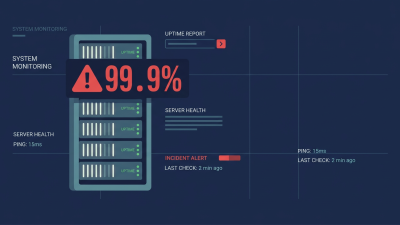
A website is often the first impression customers have of a business. Whether someone is discovering a company through Google search, social media, or online advertisements, the experience they have on that website directly affects how they view the brand itself. In today’s digital environment, people expect websites to load quickly, remain accessible at all times, and work smoothly across both desktop and mobile devices. When a website feels slow or unreliable, customers usually leave before even engaging with the business.
Despite this, many students, freelancers and businesses still choose hosting based only on pricing without understanding how much hosting infrastructure influences performance, search rankings, and long-term growth. A low-cost hosting plan may seem attractive initially, but poor infrastructure can eventually lead to slow loading speeds, downtime, security problems, and scalability limitations as traffic begins to grow.
Choosing reliable web hosting in Nepal is no longer simply about keeping a website online. It is about building a stable foundation that supports business growth, improves customer experience, and allows websites to perform consistently as online competition continues increasing.
Why Hosting Plays a Bigger Role Than Most Users Realize
Many website owners and users focus heavily on website design, branding, and digital marketing while overlooking the infrastructure running behind the website itself. In reality, hosting affects nearly every important aspect of website performance, including speed, uptime, security, and overall user experience.
Search engines like Google now prioritize websites that load quickly and remain stable across devices. A slow website can negatively affect bounce rates, conversion rates, and search rankings at the same time. Even a delay of a few seconds may reduce customer trust significantly, especially for businesses operating in competitive industries such as eCommerce, travel, education, or technology.
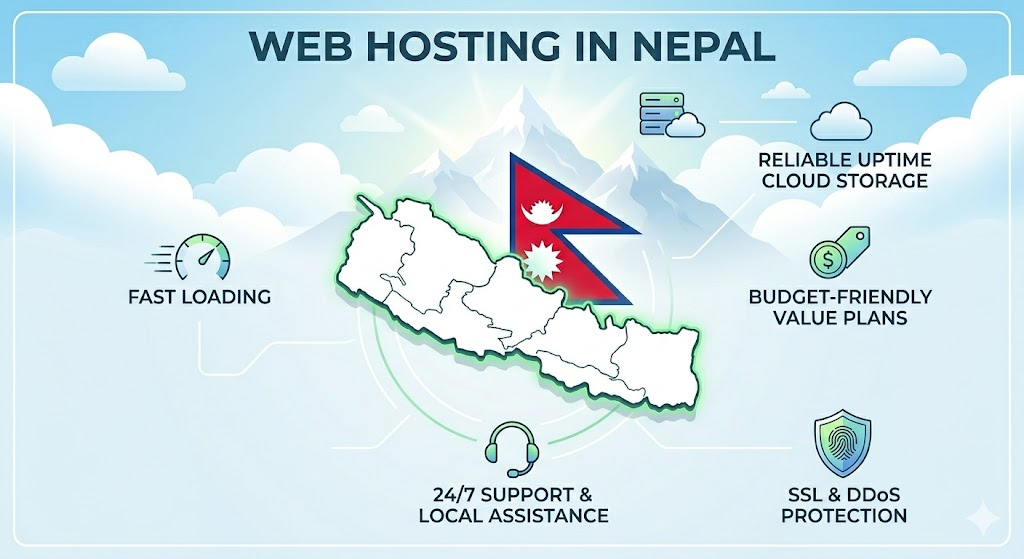
As more businesses, students and freelancers in Nepal continue moving online whether to increase their presence or to make your portfolio site live, competition for visibility is increasing rapidly. Companies that invest in reliable infrastructure early often create a much stronger long-term advantage because faster and more stable websites naturally perform better for both users and search engines.
Reliable web hosting also helps businesses handle traffic growth more effectively. A website that performs well with a few hundred visitors may begin struggling once traffic increases through SEO, advertising campaigns, or seasonal demand. Strong infrastructure ensures that websites continue performing consistently as the business expands.
What Website Owners Should Actually Look for in a Hosting Provider
Choosing a hosting provider should involve much more than comparing prices. The quality of infrastructure, support, and scalability often matters far more in the long run than short-term cost savings. One of the most important factors is performance. Modern hosting providers now use technologies such as NVMe SSD storage, LiteSpeed web servers, optimized caching systems, and cloud-based infrastructure to improve loading speed and server responsiveness. Websites running on outdated infrastructure often struggle to compete with faster websites, especially on mobile devices where speed expectations are even higher.
Support quality is one of those factors people often ignore until something actually breaks. Whether it’s a student managing a first website, a freelancer handling client work, or a business running daily operations, technical issues can happen anytime. In those moments, slow or unhelpful support can affect access, trust, and even income. That’s why choosing a hosting provider with responsive and knowledgeable support matters for everyone, not just large businesses.
Scalability is just as important for students, freelancers, and growing businesses. A small project today can turn into a portfolio, a client site, or a full online platform tomorrow. As traffic grows, hosting should be able to scale smoothly without forcing downtime or complex migrations. This makes it easier to grow without worrying about technical limitations.
Security is another key priority for all website owners. Students may host personal projects, freelancers often manage client sites, and businesses handle sensitive data. A good hosting setup should include SSL, backups, firewall protection, malware scanning, and account isolation to keep everything safe and stable.
Understanding the Different Types of Hosting
Different hosting environments are built for different types of websites and workloads. The right choice depends on your website’s size, expected traffic, technical needs, and long-term growth plans.
Shared Hosting
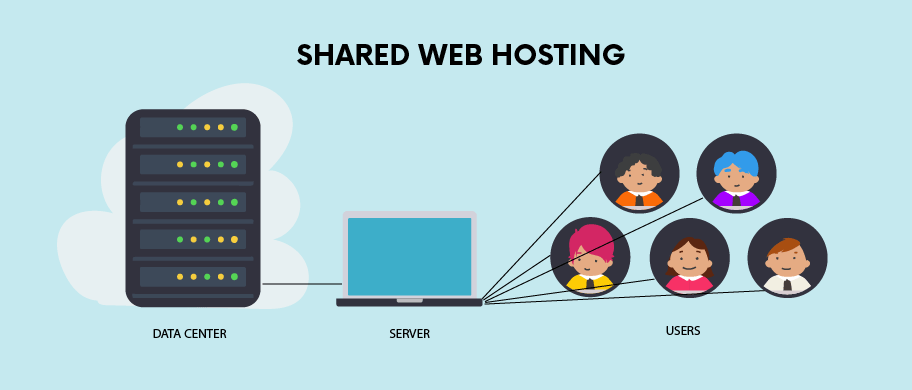
Shared hosting is usually the starting point for most small websites. In a shared hosting environment, multiple websites operate on the same server and share available resources together. Because costs are distributed between many users, shared hosting remains one of the most affordable hosting options available.
Shared hosting is generally suitable for:
- Small business websites
- Personal blogs
- Portfolio websites
- Informational websites
- Beginner projects
The biggest advantage of shared hosting is simplicity. Most shared hosting environments are easy to manage and require very little technical knowledge. This is a budget-friendly option that works well when traffic is low and performance demands are basic. It is ideal for getting a website online quickly without worrying about server management or advanced configurations.
For businesses just starting their online presence, students trying to learn or freelancers building their online portfolio, shared hosting can still provide a practical and budget-friendly solution.
WordPress Hosting
Businesses using WordPress often benefit from specialized WordPress hosting environments optimized specifically for the platform. Unlike standard hosting setups, optimized WordPress environments include server-level configurations designed to improve WordPress performance, security, and reliability.

Optimized WordPress hosting commonly includes:
- Advanced caching systems
- Faster loading speeds
- Automatic updates
- Enhanced security configurations
- Improved WordPress compatibility
For businesses that rely heavily on WordPress for content publishing, lead generation, or eCommerce, choosing WordPress hosting in Nepal can noticeably improve both performance and user experience.
Since WordPress powers a large share of websites globally, many users now prefer hosting environments built specifically for it instead of relying on generic shared hosting solutions.
VPS Hosting
As students, freelancers, and businesses grow and their website traffic increases, many eventually outgrow the limitations of shared hosting and move toward VPS infrastructure.
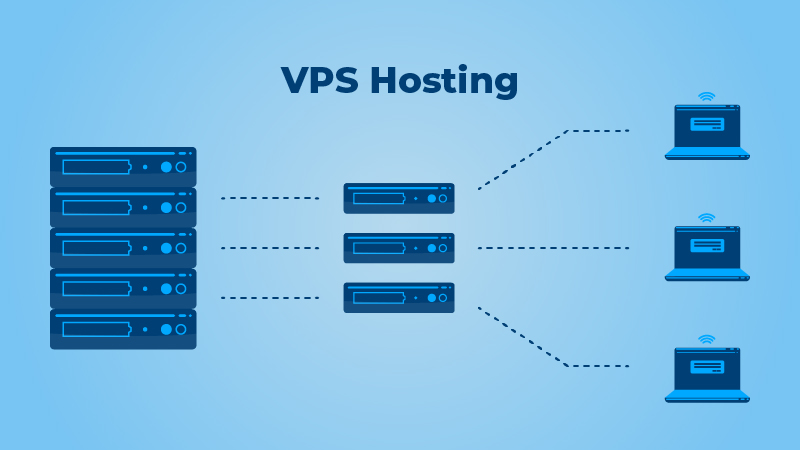
VPS hosting in Nepal provides dedicated virtual resources within a larger physical server environment. Unlike shared hosting, VPS users receive isolated resources, which results in more consistent speed, better stability, and greater flexibility for different types of websites and workloads.
VPS hosting is particularly useful for:
- Growing startups
- eCommerce businesses
- Agencies managing multiple websites
- Developers
- Medium-to-high traffic business websites
One of the major advantages of VPS infrastructure is performance consistency. Since resources are allocated separately, other websites on the same server do not heavily affect your website’s speed or stability. This makes it suitable for growing websites, online projects, and professionals who need reliable performance. VPS environments also allow users to scale resources easily as website demands increase over time.
For many expanding websites and digital projects, VPS hosting is typically a mid-range solution that balances cost and performance. It is often chosen when a website starts growing beyond entry-level hosting and requires more reliable resources for smooth operation.
Cloud Hosting
Cloud hosting has become increasingly popular because of its scalability and reliability advantages. Unlike traditional hosting environments that rely on a single physical server, cloud infrastructure distributes workloads across multiple connected servers.

This approach improves:
- Uptime reliability
- Resource scalability
- Traffic handling
- Infrastructure flexibility
- Overall performance stability
Cloud hosting is especially beneficial for businesses expecting unpredictable traffic growth or operating mission-critical websites that cannot afford downtime. Resources can scale dynamically during periods of high demand and adjust automatically when traffic returns to normal levels.
This flexibility makes cloud hosting ideal for:
- SaaS platforms
- Fast-growing startups
- High-traffic eCommerce stores
- Enterprise applications
- Rapidly scaling businesses
As Nepal’s online economy continues to grow, cloud infrastructure is becoming increasingly important for websites and digital projects focused on long-term expansion.
Which Hosting Should You Choose?
| Your Situation / Need | Best Hosting Type | Why It Fits Best |
| First website, blog, or portfolio | Shared Hosting | Affordable, easy to manage, perfect for learning and basic websites |
| WordPress-based website or blog | WordPress Hosting | Optimized performance, better speed, and easier WordPress management |
| Growing website, startup, or client work | VPS Hosting | More stable performance, dedicated resources, and better scalability |
| High-traffic website or online store | Cloud Hosting | Handles traffic spikes, highly scalable, and ensures maximum uptime |
| SaaS, apps, or rapidly scaling platforms | Cloud Hosting | Flexible infrastructure that grows automatically with demand |
Common Hosting Mistakes People Still Make
One of the most common mistakes people make when choosing hosting is focusing only on price. Extremely cheap hosting plans often compromise on infrastructure quality, support responsiveness, and overall server performance. While they may look attractive in the beginning, they often lead to long-term issues such as slow loading speed, frequent downtime, and a poor user experience.
Another frequent mistake is ignoring website speed altogether. Hosting plays a major role in how quickly a website loads for visitors, regardless of whether it is a personal project, portfolio, or online store. Poor performance not only affects user satisfaction but can also reduce visibility in search engines and lower engagement over time.
Many also underestimate how much their website will grow. A hosting plan that works perfectly at the start can become limiting as traffic increases through content, marketing, or organic growth. Switching providers later can lead to downtime, migration issues, and unnecessary technical complications.
Support quality is another factor that is often overlooked until something goes wrong. When issues arise, having access to fast and knowledgeable support can make a significant difference in keeping a website accessible and running smoothly.
How Hosting Affects SEO and Website Performance
Many people think SEO is only about keywords and backlinks, but technical performance is just as important. Search engines also evaluate how fast a website loads, how stable it stays, how quickly the server responds, and how smooth the overall user experience is. These technical signals play a big role in determining where a website appears in search results.
When a website is slow or unstable, it struggles to perform well in rankings even if the content is strong. Visitors also tend to leave quickly if pages take too long to load, which increases bounce rates and reduces engagement. Over time, this behavior sends negative signals that can limit search visibility.
Hosting is the foundation behind all of this. Reliable hosting improves speed, strengthens Core Web Vitals, and ensures consistent uptime so search engines can easily crawl and index pages. That’s why hosting should be considered an essential part of SEO, not just a technical setup in the background.
Final Thoughts
Choosing the right hosting provider is one of the most important long-term decisions for any website. A reliable infrastructure directly impacts website speed, uptime, SEO performance, user trust, scalability, and overall digital growth. It quietly shapes how smoothly a website runs and how effectively it supports its goals over time.
As online competition in Nepal continues to grow, websites that invest in stronger hosting early gain a clear advantage. Instead of focusing only on the lowest price, it is more important to consider performance, stability, support quality, and the ability to scale as traffic increases. These factors have a much bigger impact on long-term success than short-term savings.
Many growing businesses, students, freelancers and users from different platforms now prefer providers like Nest Nepal because of their focus on modern infrastructure, scalable hosting environments, and consistent performance built for long-term growth.