I have been building things online for a while now. Websites, servers, little side projects, domain investments. And for a long time, I was doing almost everything alone. I had my search engine, I had some bookmarked forums I barely posted on, and I had YouTube. That was it.
Looking back, I honestly wasted so much time. Not because I was lazy, but because I did not have the right people around me. And I did not realize how much that was slowing me down until I finally became part of an actual community.
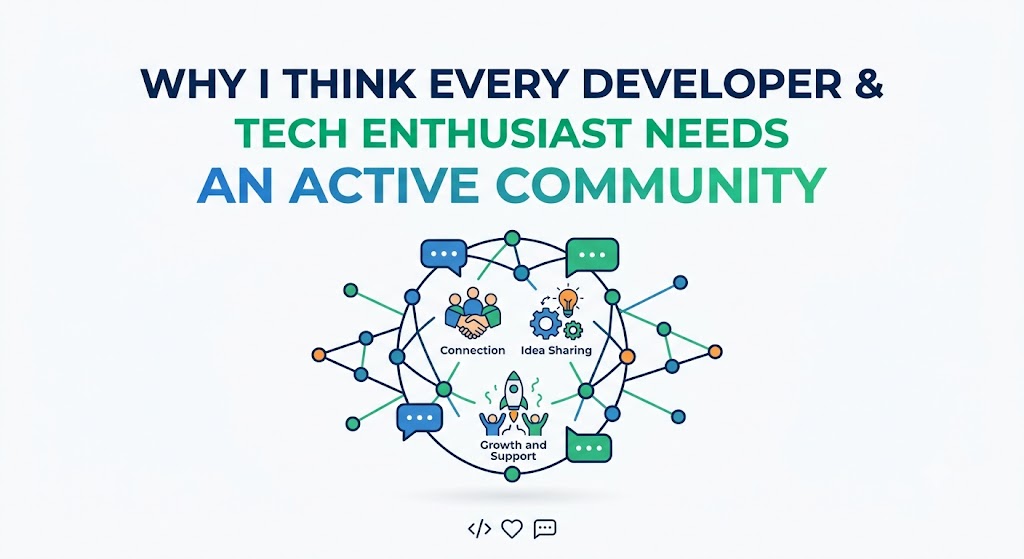
So let me share what changed for me, and why I genuinely think every developer and tech enthusiast needs to be part of an active tech community.
Getting Unstuck Way Faster
Before I found a good community, getting stuck meant hours of searching. I would piece together five different blog posts, half of which were outdated, and still not be sure if my solution was right.
Inside an active forum, things are different. You post your problem, and within a short time, someone who has been in the exact same situation gives you a direct answer. Not a generic answer copy-pasted from documentation. A real, specific one based on actual experience.
I remember being stuck on a DirectAdmin configuration issue for almost two days. I finally posted about it in a forum and got a working answer in less than an hour. Someone had faced the same issue on the same hosting setup. That kind of thing just does not happen when you are working alone.
The other thing I love is that it is not just one answer. Multiple people chime in, sometimes with different approaches, and you learn a lot just from reading through the discussion. Over time, all those threads build up into a huge searchable knowledge base that the whole community benefits from.
Staying Updated Without the Information Overload
I used to follow so many newsletters and Twitter accounts just to keep up with what was happening in tech. It was exhausting. Most of the noise was not even relevant to what I was working on.
In a community, there is a natural filter. People only share things that matter to their work. If something important happens, like a big algorithm update, a new security vulnerability, or a tool that actually solves a real problem, someone in the community will bring it up and explain why it matters in plain terms.
I have discovered more useful tools and learned about more important changes through community discussions than I ever did from newsletters. And the context that comes with it makes all the difference. It is not just “this new thing exists.” It is “I tried this, here is how it works, here is where it falls short.”
The Connections You Make Are Actually Real
I used to think online networking meant sending connection requests on LinkedIn and hoping for the best. It never felt genuine to me.
But inside a forum where you are genuinely helping each other and talking about real problems, relationships build naturally. You start recognizing certain usernames. You remember that one person who helped you fix a hosting issue. You come back and help them with something else. Over time, those interactions turn into real trust.
Some of the best professional connections I have made started from a random forum thread. Someone I helped debug an issue later reached out when they needed a developer for a project. Someone whose post helped me solve a problem became someone I collaborated with later. None of that happened through cold outreach. It happened because we were both active in the same space and built trust over time.
Buying and Selling Digital Assets in a Place You Can Actually Trust
One of the things I love about being in a community that has a marketplace is the trust factor. Outside of a community, buying a domain or a social media account or even a piece of source code can feel like a gamble. Scams are real and they are common.
Inside a community, you can check a seller’s history. You can read their past posts. You can ask other members if anyone has dealt with them before. That context changes everything.
I have bought domains through community marketplaces and the experience was so much smoother than going through a cold listing on some external platform. The seller was an active member with a track record. Other people had vouched for them. I felt confident in the deal.
The same goes for source code. Instead of downloading something sketchy from a random GitHub repo, you can buy from a developer who is known in the community, ask them questions before purchasing, and actually understand what you are getting. Platforms like Ekuraa have this kind of setup where domains, source code, servers, and other digital assets can be bought and sold within a community that holds people accountable.
Honest Reviews From People Who Have Nothing to Gain
Finding a good hosting provider used to feel like flipping a coin. Every company’s website claimed to be the best. Review sites were full of affiliate-driven opinions that you could not really trust.
The best reviews I have ever read came from forum threads where someone shared their genuine experience, good or bad, and other members added their own experiences in the replies. No one in those threads had anything to sell. They were just sharing what actually happened to them.
That kind of honesty is rare online. But in a trusted community where people know each other and have reputations to protect, it is much more common. Before I make any major decision now, whether it is picking a hosting company, a registrar, or hiring a freelancer, I check if there is a community discussion about it.
Your Own Visibility Grows Too
Here is something I did not expect when I started being more active in communities. My own visibility grew.
When you write helpful answers, post guides, or share articles on an active platform, search engines pick that up. Your name starts appearing in search results. People discover you through threads you wrote months or even years ago. It becomes a slow but very real form of building a reputation online.
For freelancers especially, this is huge. You are basically building a public portfolio of your knowledge and helpfulness without even thinking about it. Every good post is a small asset that keeps working for you long after you wrote it.
It Keeps You Going When Things Get Hard
I am not going to pretend that working in tech is always exciting. There are weeks where everything breaks, nothing works the way it should, and you feel like you have no idea what you are doing.
During those times, being part of a community genuinely helps. Seeing other people push through hard problems, ship something they have been working on, or just share an honest update about where they are at, reminds you that it is normal. You are not the only one struggling.
There is also a quiet kind of accountability that comes from being around others who are building things. When you share your progress, even casually, you feel more motivated to actually follow through. And having people who understand the context when you need to vent is honestly underrated.
You Learn More When You Teach
This one surprised me. I thought I would join communities to learn, and I would only contribute once I felt like I knew enough. But it does not work that way.
Some of my clearest understanding of things I already “knew” came from explaining them to someone else. When you write out a solution, you have to think through it properly. You catch gaps in your own logic. Other people respond with different approaches and suddenly you realize there was a better way to do it that you had never considered.
The back and forth of community discussion teaches you in a way that reading alone never does. Beginners get answers, and experienced people get sharper without even realizing it.
Everything in One Place Makes Life Easier
I used to have tabs open for everything. One tab for a forum, another for a domain marketplace, another for checking reviews, another for reading articles. Switching between them constantly was annoying and I kept losing track of things.
When a community brings all of that together, the experience is just smoother. A forum thread about a hosting provider connects to reviews of that provider, which leads you to a marketplace listing, which leads back to a discussion. Everything flows into each other instead of living separately across ten different websites.
That is the kind of setup I look for now. Not just a place to chat, but a place where discussion and action happen in the same space.
What I Look For in a Community
Over time I have learned that not all communities are worth your time. A few things I check now before deciding to invest time somewhere:
Is it actually active? Are real people posting real things, or does it feel like a ghost town?
Is there some kind of reputation system? Especially if there are marketplaces involved, trust matters a lot.
Does it cover what I actually work on? A community that is too broad ends up being mostly noise.
What is the tone like? The best communities I have been part of are welcoming to beginners and respectful to everyone. The worst ones make you feel stupid for asking questions.
A smaller community that is genuinely active and focused is almost always more valuable than a massive one where your post disappears in minutes.
To Sum It All Up
I spent years working mostly alone and honestly I got a lot done. But when I look at what changed after I started being genuinely active in communities, the difference is real. Problems get solved faster. Opportunities show up. Trust is built over time. And the work itself feels less isolating.
If you are building anything in tech right now and you are doing it mostly alone, finding the right community might be the most useful thing you do this year. Not just to get help, but to grow in ways that solo work simply cannot give you.