
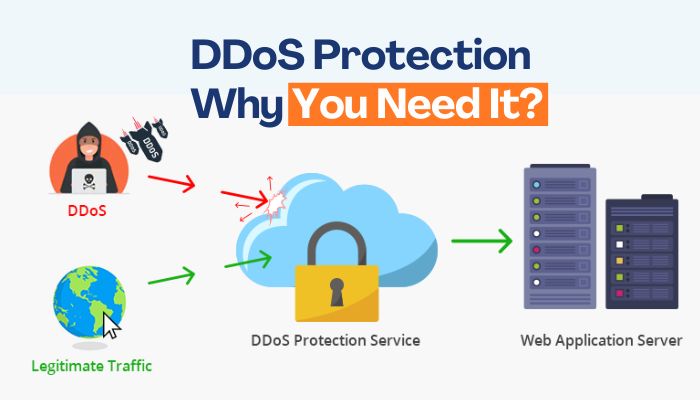
Imagine you’re running a small online store. It’s a labor of love—hours spent designing the website, curating products, and building a loyal customer base. One morning, you wake up to a flood of panicked emails: your site is down. Customers can’t browse, orders aren’t going through, and your revenue is grinding to a halt. You dig into the issue and discover it’s not a server glitch or a coding error—it’s a Distributed Denial of Service (DDoS) attack. Suddenly, your little corner of the internet feels like a battlefield, and you’re left wondering how to fight back.
This scenario isn’t hypothetical for many businesses, bloggers, or even casual gamers. DDoS attacks are a growing threat in our hyper-connected world, and they don’t discriminate by size or industry. But what exactly is a DDoS attack? Why should you care? And most importantly, how can you protect yourself? Let’s break it down in a way that feels human, relatable, and—dare I say—a little less techy than the usual jargon soup.
What Is a DDoS Attack, Really?
At its core, a DDoS attack is like a digital traffic jam orchestrated with malicious intent. Picture a busy highway: under normal conditions, cars (or data) flow smoothly to their destination—your website, app, or online service. Now imagine someone pays a bunch of people to flood that highway with fake cars, clogging it up so no one else can get through. That’s a DDoS attack in a nutshell. It’s not about stealing your data or hacking your system; it’s about overwhelming it until it collapses under the pressure.
The “distributed” part is what makes it tricky. Instead of one attacker, a DDoS assault uses a network of compromised devices—computers, IoT gadgets like smart thermostats, even hijacked webcams—called a botnet. These devices, often infected with malware without their owners’ knowledge, bombard your server with requests. It’s like a zombie apocalypse for your website, except the zombies are sending HTTP requests instead of eating brains.
Why does this happen? Motives vary. Some attackers are disgruntled competitors trying to kneecap your business. Others are hacktivists pushing a political agenda. And then there are the trolls who do it just because they can—like digital vandals spray-painting chaos across the internet. Whatever the reason, the result is the same: your online presence goes dark, and you’re left scrambling.
Why Should You Care?
You might think, “I’m just a small fish—nobody’s targeting me.” But here’s the thing: DDoS attacks aren’t reserved for big corporations or government websites. In 2024 alone, reports showed a surge in attacks targeting small businesses, personal blogs, and even gaming servers. Why? Because smaller targets often lack robust defenses, making them easy prey.
The consequences hit hard. For a business, downtime means lost sales—sometimes thousands of dollars per hour. If you’re an e-commerce site, every minute offline erodes customer trust. Imagine a bride-to-be trying to order her wedding favors from your shop, only to get a “503 Service Unavailable” error. She’s not coming back. Beyond revenue, there’s reputational damage. People talk—on social media, in reviews—and a site that’s unreliable gets a scarlet letter fast.
Even if you’re not running a business, DDoS attacks can disrupt your life. Gamers get booted from servers mid-match. Content creators lose viewers when their streaming platforms crash. And if you’re just someone who likes to browse the web, a DDoS attack on a service you rely on—like your bank or email provider—can leave you locked out at the worst possible moment.
Then there’s the financial sting. If you’re hit and don’t have protection, you might shell out big bucks for emergency IT help or higher bandwidth to weather the storm. Worse, some attackers use DDoS as a smokescreen for ransomware—holding your site hostage until you pay up. It’s a digital stick-up, and it’s more common than you’d hope.
How Does DDoS Protection Work?
So, how do you fight back against this invisible army? That’s where DDoS protection comes in—like a bouncer at the door of your digital nightclub, keeping the riffraff out. But it’s not a one-size-fits-all solution, and understanding how it works can feel like peeling an onion—layers upon layers. Let’s simplify it.
At its most basic, DDoS protection filters traffic before it reaches your server. Think of it like a strainer: legitimate users (real customers, readers, or players) flow through, while the flood of fake requests gets caught and tossed out. This happens through a combination of smart tech and strategic planning.
One key player is the Content Delivery Network (CDN). CDNs like Cloudflare or Akamai distribute your website’s content across multiple servers worldwide. When an attack hits, the CDN spreads the load, so no single server gets overwhelmed. It’s like having backup generators during a power outage—your site stays up even when the storm rages. Plus, CDNs often have built-in DDoS mitigation tools, analyzing traffic patterns in real-time to spot and block suspicious activity.
Another layer is traffic scrubbing. This is where specialized services take your incoming traffic, run it through their systems, and scrub away the malicious bits before sending the clean stuff to your server. It’s a bit like a car wash for data—grime out, shiny users in. Companies like Sucuri or Imperva offer this, often with fancy algorithms that learn what “normal” traffic looks like for your site and flag anything fishy.
For bigger operations, rate limiting and IP blocking come into play. Rate limiting caps how many requests one user (or bot) can make in a given time—say, 100 page loads per minute. If someone’s hammering your site with thousands of hits, they’re cut off. IP blocking bans specific addresses known for bad behavior, though it’s trickier with botnets since they use tons of IPs.
And then there’s the human touch: monitoring. Good DDoS protection isn’t just set-it-and-forget-it. It’s about keeping an eye on your traffic, tweaking settings, and staying ahead of attackers who evolve their tactics. Some providers offer 24/7 support teams who jump in when the alarms go off—because when your site’s under siege, you don’t want to be googling “how to stop a DDoS attack” at 2 a.m.
Why You Need It—Yes, You
Now, you might be thinking, “This sounds great for tech giants, but do I really need it?” The short answer: yes. The longer answer: it depends on what you value. If your website, app, or online presence matters to you—whether it’s your livelihood, your passion, or just your downtime fun—DDoS protection is a no-brainer.
First, it’s about peace of mind. Knowing your site can handle a sudden flood of traffic (malicious or not) lets you sleep better at night. You’ve worked hard to build something online—why leave it vulnerable to a random Tuesday attack? Protection is like insurance: you hope you never need it, but when you do, it’s a lifesaver.
Second, it’s affordable now more than ever. Back in the day, DDoS mitigation was a luxury for deep-pocketed corporations. Today, services like Cloudflare offer free tiers that cover basic protection, while paid plans for small businesses start at just a few bucks a month. Compare that to the cost of downtime or emergency fixes, and it’s a steal.
Third, attacks are only getting worse. Cybersecurity reports from 2024 show DDoS incidents spiking—some hitting speeds of 2 terabits per second, enough to knock out unprotected servers in seconds. Botnets are growing, fueled by poorly secured IoT devices (your neighbor’s smart fridge could be an unwitting accomplice). And with AI, attackers are getting smarter, crafting assaults that mimic real users to slip past basic defenses. Waiting until you’re hit is like locking the barn door after the horse is gone.
A Real-World Wake-Up Call
Let’s ground this in a story. Last year, a friend of mine—let’s call her Sarah—ran a niche blog about sustainable gardening. It wasn’t a goldmine, but it paid her bills and grew a tight-knit community. One day, her site went down for 48 hours. Turns out, a competitor didn’t like her rising traffic and hired a cheap DDoS service (yes, you can buy these on the dark web for peanuts). Sarah lost ad revenue, missed a sponsor deadline, and spent a frantic weekend with a tech guy who charged her $500 to get back online. She’s since added Cloudflare’s free plan and swears it’s the best decision she’s made. “I didn’t think I was big enough to be a target,” she told me. “Turns out, nobody’s too small.”
Taking the First Step
So, where do you start? If you’re new to this, dip your toes in with a CDN like Cloudflare or Fastly—most have easy setup guides, even for non-techies. If you run a bigger operation, look into dedicated solutions like Sucuri or AWS Shield. Talk to your hosting provider, too—some bundle DDoS protection into their plans. And if you’re still unsure, test the waters with a free trial. The internet’s a wild place, but you don’t have to face it unarmed.
In the end, DDoS protection isn’t just about tech—it’s about protecting what you’ve built, whether it’s a business, a hobby, or a connection to others. Because in a world where anyone can unleash a digital flood, having a sturdy umbrella isn’t optional—it’s essential.


[…] closes the rest of the gap. A security suite like Imunify360 helps catch malware before it spreads, DDoS protection keeps a traffic flood from taking your site offline, and an SSL certificate protects the data […]